
Introduction
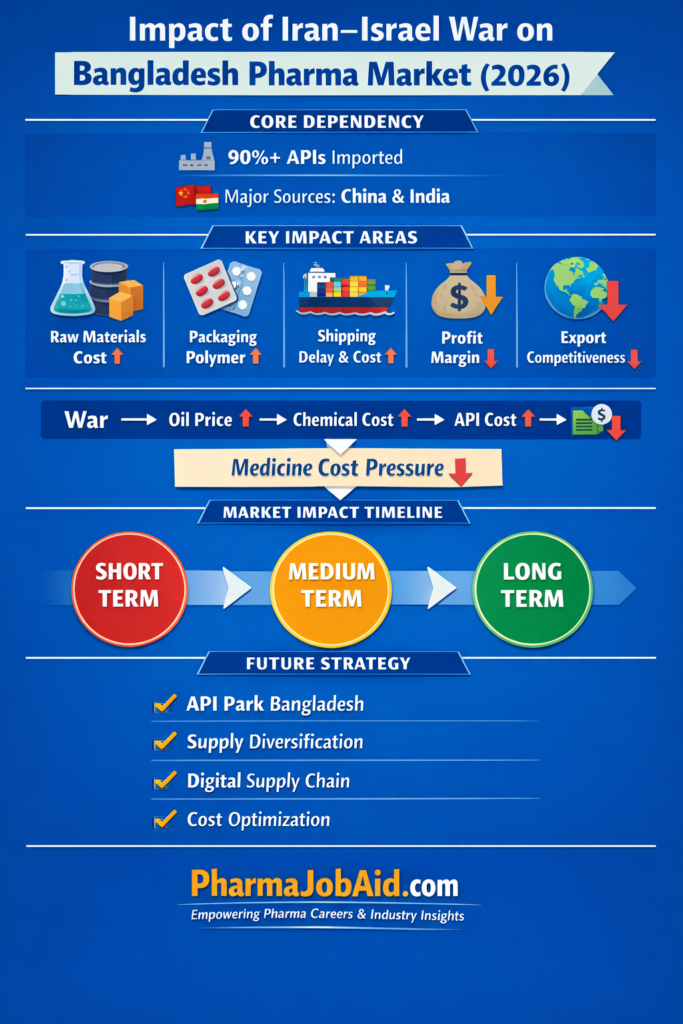
The escalating geopolitical tensions between Iran and Israel are not just reshaping global politics—they are also creating ripple effects across multiple industries worldwide. One of the most sensitive sectors impacted is the pharmaceutical industry, particularly in emerging economies like Bangladesh.
Bangladesh’s pharma sector, often praised for its self-sufficiency and strong local manufacturing base, still relies heavily on imported raw materials. As a result, any global disruption—especially in energy and logistics—directly affects production costs, supply chains, and market stability.
In this article, we explore how the Iran–Israel conflict is influencing Bangladesh’s pharmaceutical market, including cost pressures, supply risks, and long-term strategic implications.
👉 For more pharma industry insights and career resources, visit:
🔗 https://pharmajobaid.com/
🇧🇩 Overview of Bangladesh’s Pharmaceutical Industry
Bangladesh’s pharmaceutical sector is one of the fastest-growing in Asia:
- Meets ~97–98% of domestic demand
- Exports to 150+ countries
- Market size: USD 3.5–4 billion (2026 estimate)
- Growth rate: 12–15% annually
However, a major structural challenge remains:
⚠️ Over 90% of APIs (Active Pharmaceutical Ingredients) are imported, mainly from:
- China
- India
This dependency makes the industry vulnerable to global shocks like war, energy crises, and shipping disruptions.
⚠️ Key Impact Areas of Iran–Israel War
1. Rising API and Raw Material Costs
4
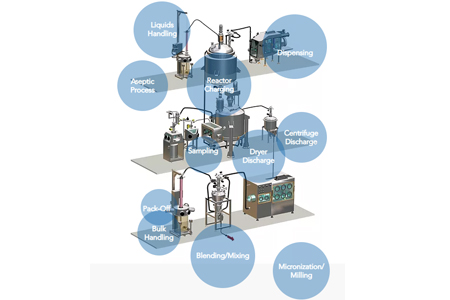
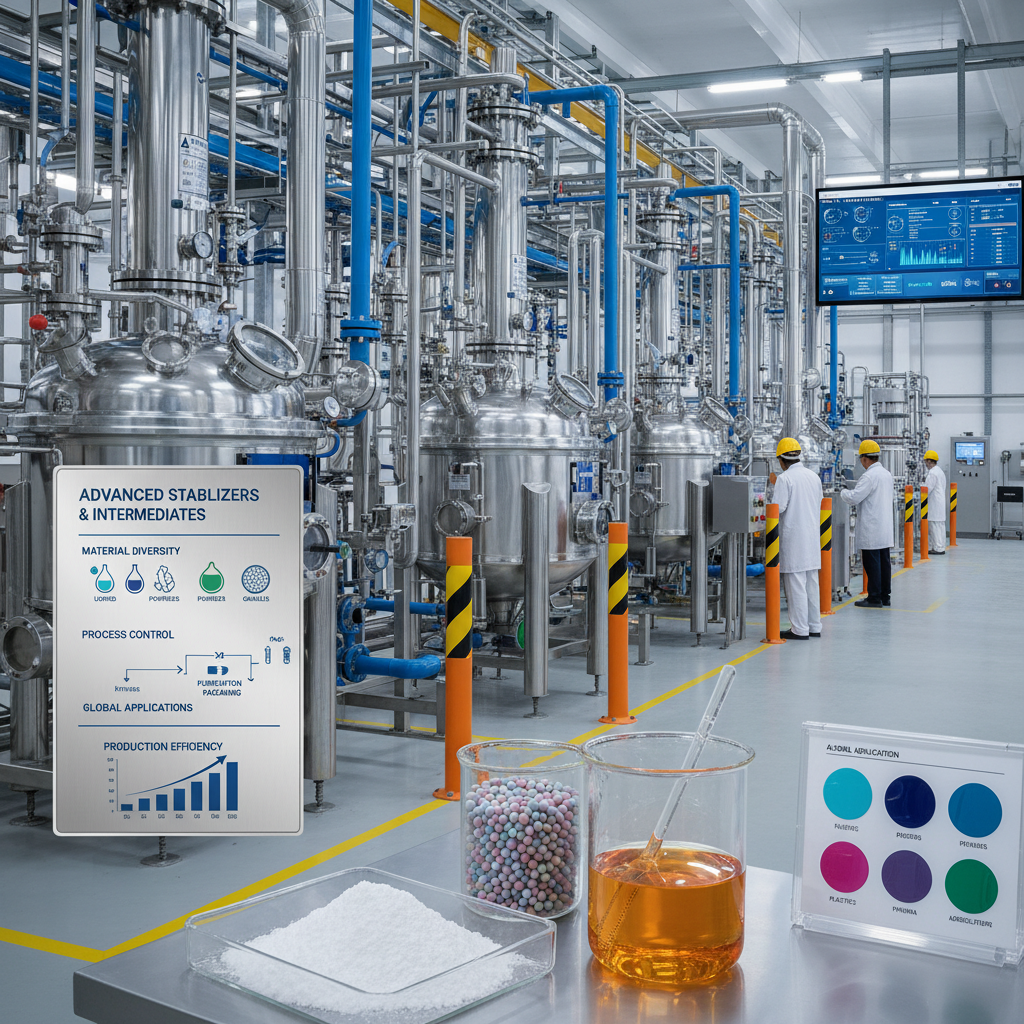
The biggest impact comes from cost escalation of raw materials.
The Middle East conflict has led to:
- Increased crude oil prices
- Higher chemical and solvent costs
- Rising intermediate compound prices
Since APIs depend heavily on petrochemical derivatives, pharmaceutical companies in Bangladesh face:
✔ Increased manufacturing costs
✔ Reduced profit margins
✔ Pressure on pricing strategies
🔗 External reference:
https://www.reuters.com/business/energy/
2. Packaging Cost Inflation


4
Packaging materials such as:
- Blister packs
- Plastic bottles
- Foil laminates
are all derived from petrochemicals.
As oil prices rise due to conflict:
- Plastic and polymer prices increase
- Packaging costs surge
📌 Result: Even low-cost generic medicines become more expensive to produce.
3. Shipping & Logistics Disruption
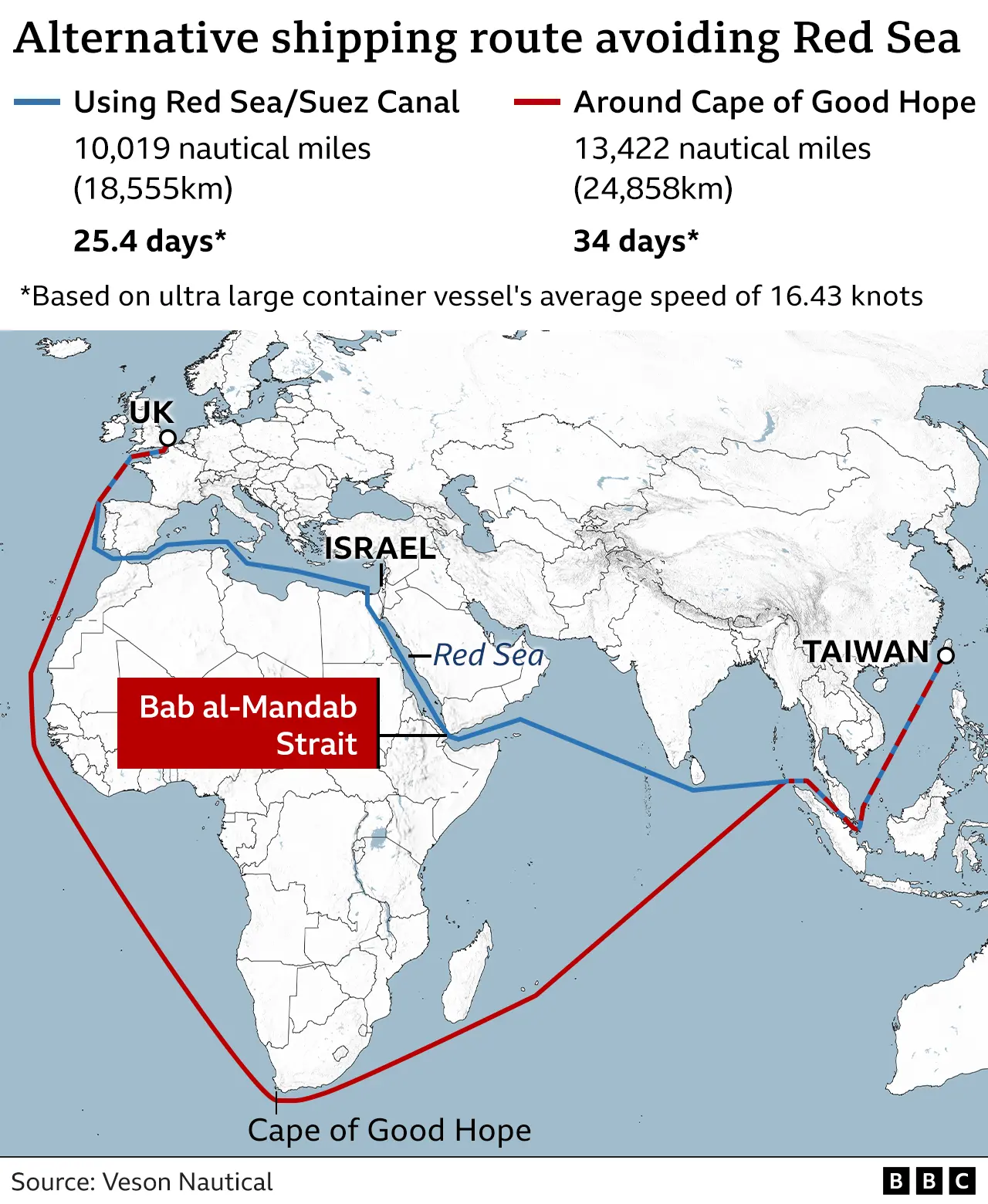

4
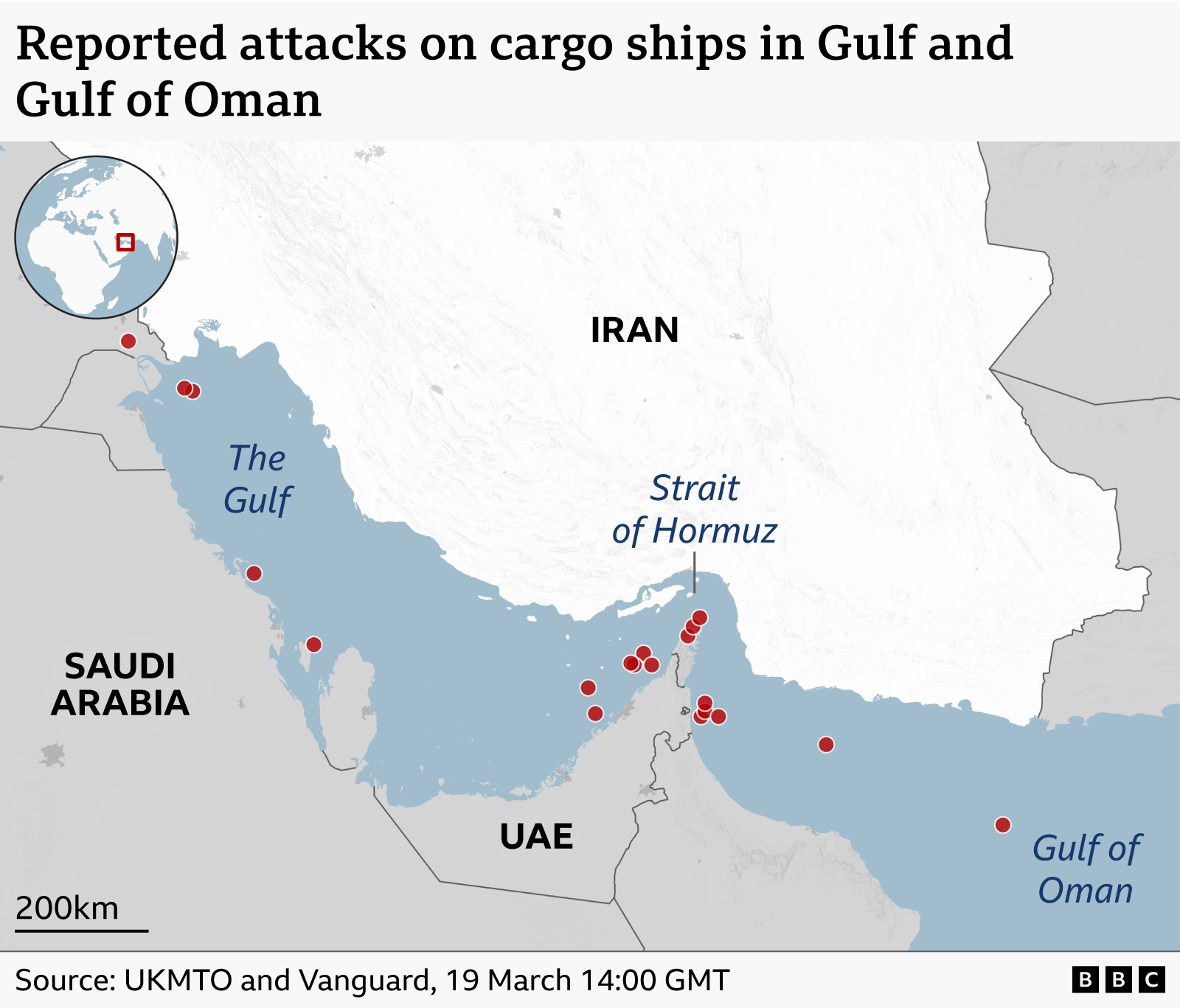
One of the most critical global chokepoints is the Strait of Hormuz.
- Handles ~20% of global oil supply
- Major route for chemical shipments
War-related risks lead to:
- Higher freight charges
- War-risk insurance premiums
- Shipment delays
🔗 Learn more:
https://www.worldbank.org/en/topic/trade
📌 Impact on Bangladesh pharma:
- Delayed API imports
- Increased inventory costs
- Production scheduling issues
4. Pressure on Medicine Prices & Market Stability

4
Bangladesh regulates medicine prices, meaning companies cannot easily pass increased costs to consumers.
This creates a dangerous squeeze:
- Costs ↑
- Selling price fixed
- Profit ↓
📉 Possible outcomes:
- Reduced production of low-margin drugs
- Financial pressure on small pharma companies
- Market consolidation
5. Export Competitiveness Under Threat
Bangladesh exports pharmaceuticals to:
- Asia
- Africa
- Middle East
However, rising costs lead to:
- Reduced price competitiveness
- Lower margins in export markets
- Currency pressure due to USD dependency
🔗 Export insights:
https://www.wto.org/
📉 Short-Term vs Long-Term Impact
🔴 Short-Term (0–6 months)
- No major medicine shortages
- Increased production cost
- Profit margin compression
- Supply delays
🟡 Medium-Term (6–18 months)
- Possible shortage of low-profit medicines
- Increased dependence on inventory
- Reduced SME participation
🟢 Long-Term (2–5 years)
- Push for API self-sufficiency
- Growth of API Park Bangladesh
- Strategic diversification of supply sources
🔄 Strategic Response by Bangladesh Pharma Industry
To survive and grow, companies must adopt:
1. API Backward Integration
Investing in local API production to reduce import dependency.
2. Supply Chain Diversification
Exploring alternative suppliers beyond China and India.
3. Digital Supply Chain Management
Using AI and ERP systems for forecasting and inventory control.
4. Cost Optimization Strategies
Lean manufacturing and process optimization.
💼 Career Impact: Opportunities for Pharma Professionals
Interestingly, crises also create opportunities 👇
Demand will rise for:
- Supply chain specialists
- Procurement managers
- Regulatory affairs professionals
- Cost optimization analysts
👉 Explore pharma careers here:
🔗 https://pharmajobaid.com/jobs/
🧠 Conclusion
The Iran–Israel conflict highlights a critical truth:
👉 Bangladesh’s pharmaceutical industry is strong—but not immune to global shocks.
While the country has achieved remarkable self-sufficiency in finished drug production, its reliance on imported APIs and global supply chains exposes it to geopolitical risks.
📌 The biggest threat is not direct war involvement—but cost inflation, supply chain disruption, and margin pressure.
However, this crisis also presents an opportunity to:
- Build local API capabilities
- Strengthen supply resilience
- Transform Bangladesh into a more independent pharma powerhouse