
📌 Introduction
The pharmaceutical industry in Bangladesh is one of the fastest-growing sectors, contributing significantly to both the national economy and global medicine supply. With companies like Square Pharmaceuticals, Beximco Pharma, Incepta, and ACI leading the market, plant training has become a crucial step for pharmacy students and fresh graduates.
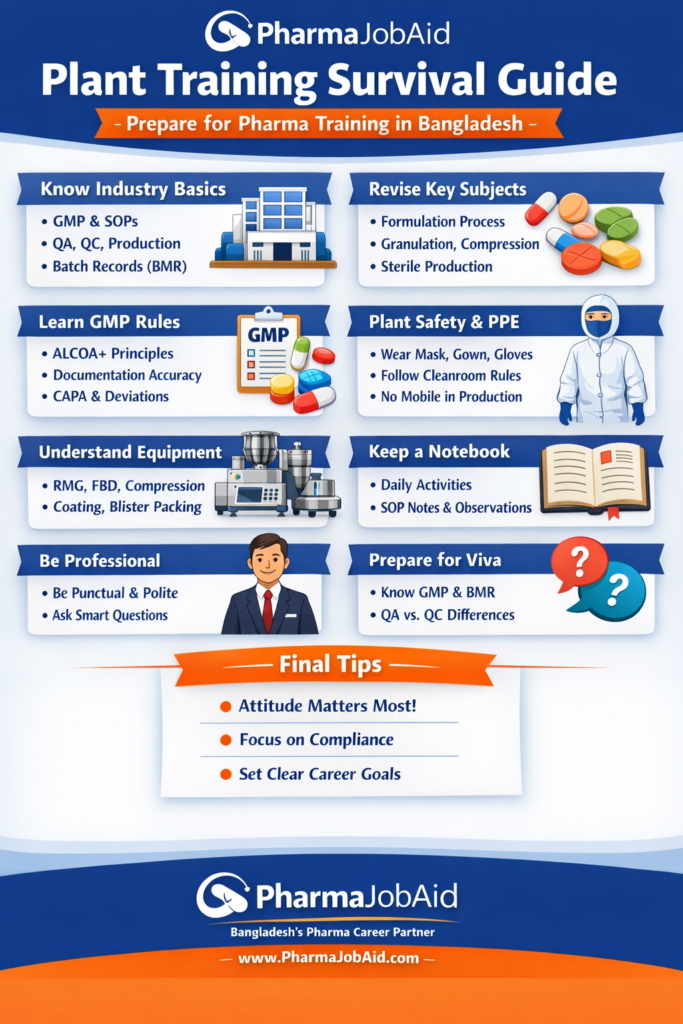
Whether you are from a B.Pharm, M.Pharm, or Diploma background, preparing properly before entering a pharmaceutical manufacturing plant can significantly improve your learning experience and career prospects.
If you’re planning your pharma career, explore more guides at 👉 PharmaJobAid
🏭 Overview of Pharmaceutical Plant Training in Bangladesh

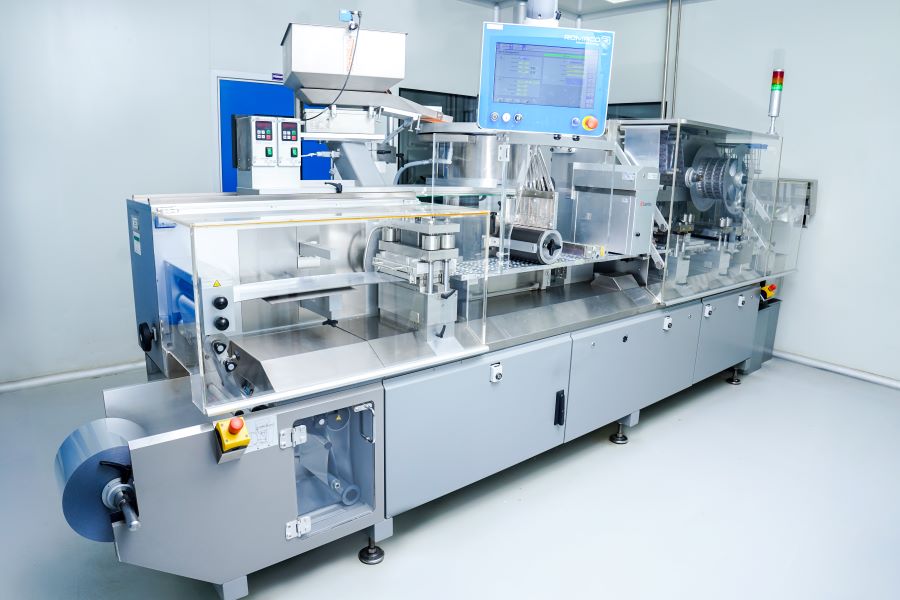
Plant training provides real-world exposure to pharmaceutical operations, including:
- Production (Tablet, Capsule, Liquid, Sterile)
- Quality Assurance (QA)
- Quality Control (QC)
- Warehouse & Distribution
- Engineering & Maintenance
In Bangladesh, training programs follow strict regulatory frameworks governed by the Directorate General of Drug Administration (DGDA) and international standards like WHO-GMP.
For regulatory insights, visit 👉 Directorate General of Drug Administration
📘 Why Preparation Before Plant Training is Important
Many students enter training without preparation and feel overwhelmed. Proper preparation helps you:
- Understand plant operations quickly
- Impress supervisors and trainers
- Perform better in viva exams
- Increase job selection chances
📚 Core Knowledge You Must Revise Before Training

4
🎯 Key Subjects:
- Pharmaceutics (Most Important)
- Industrial Pharmacy
- Microbiology (for sterile sections)
- Basic Chemistry (API & excipients)
🔬 Important Processes:
- Wet Granulation & Dry Granulation
- Tablet Compression
- Coating (Film & Sugar)
- Capsule Filling
- Sterile Manufacturing
👉 Learn more about formulation basics from World Health Organization
🧾 GMP Knowledge: The Most Critical Requirement
4
Understanding Good Manufacturing Practice (GMP) is essential.
📌 Key GMP Concepts:
- Documentation must be accurate and traceable
- No shortcuts in pharmaceutical processes
- Hygiene and contamination control are mandatory
🔑 Learn These Terms:
- ALCOA+ (Data Integrity)
- Deviation
- CAPA (Corrective & Preventive Action)
- Change Control
For global GMP references, check 👉 U.S. Food and Drug Administration
🏭 Understanding Pharmaceutical Equipment
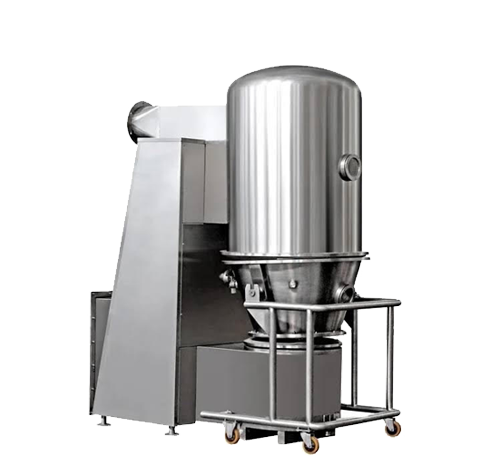
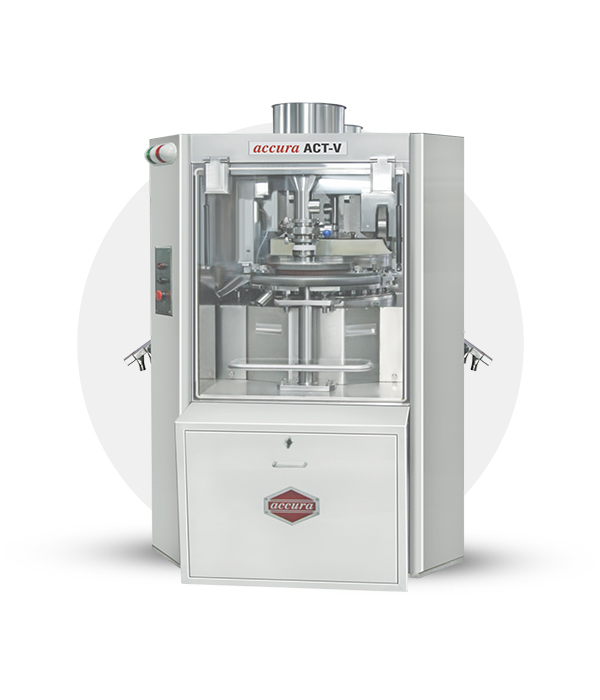
4
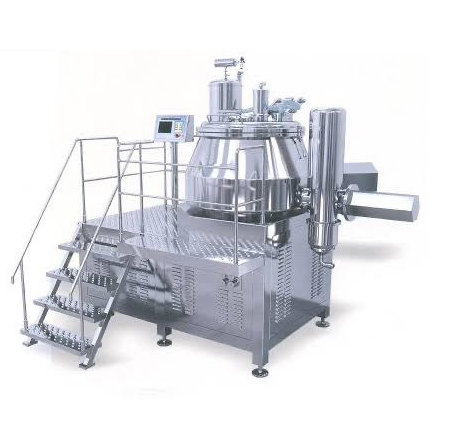
🔧 Must-Know Equipment:
- RMG (Rapid Mixer Granulator)
- FBD (Fluid Bed Dryer)
- Tablet Compression Machine
- Coating Machine
- Blister Packaging Machine
👉 These are frequently asked in interviews and viva exams.
⚠️ Plant Safety & Cleanroom Behavior
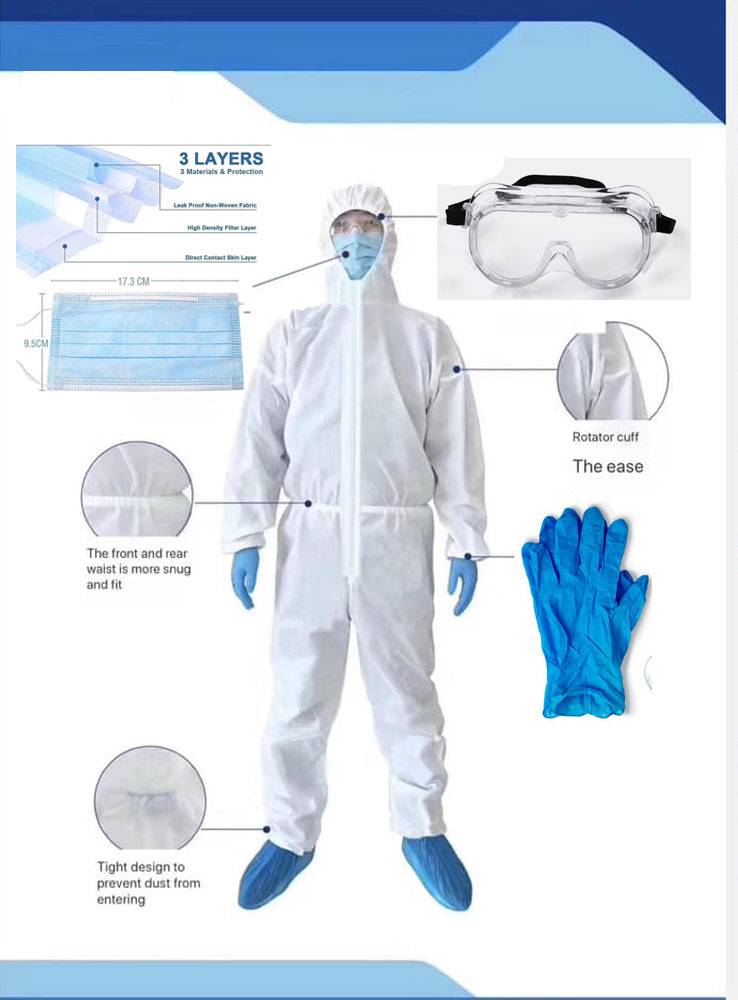
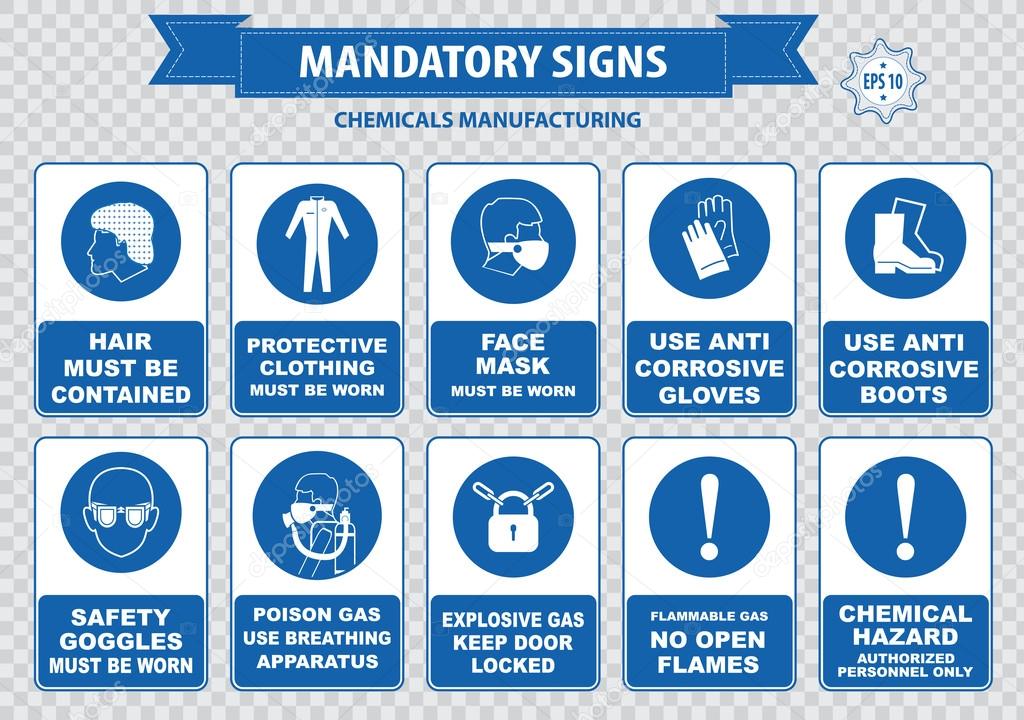
4
🚨 Safety Rules:
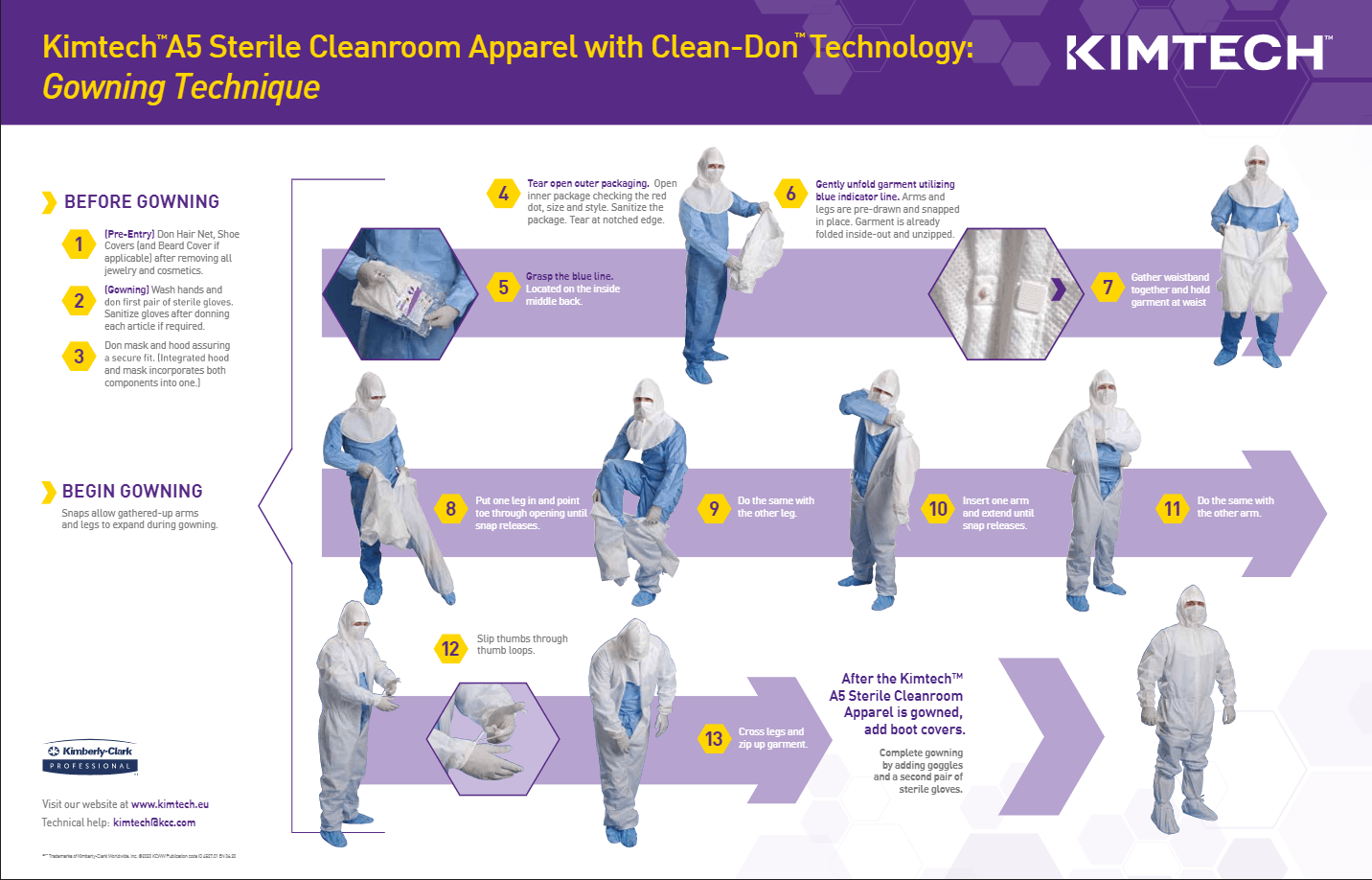
- Always wear PPE (mask, gloves, gown)
- Follow cleanroom entry procedures
- No unauthorized movement or touching materials
💡 Behavioral Tips:
- Follow SOP strictly
- Respect senior staff
- Ask before performing any task
📒 Maintain a Training Notebook (Highly Recommended)
Documenting your training is extremely important.
✍️ Record:
- Daily activities
- Equipment usage
- SOP references
- Observations
👉 This helps during:
- Viva exams
- Job interviews
- Career development
👔 Professionalism & Soft Skills
🎯 Key Qualities:
- Punctuality
- Discipline
- Communication skills
- Curiosity
In Bangladesh pharma companies, attitude matters more than theoretical knowledge.
🎯 Set Clear Career Goals During Training
Decide early which field you prefer:
- QA (Quality Assurance)
- QC (Quality Control)
- Production
- Regulatory Affairs
👉 Explore pharma career paths here:
🔗 https://pharmajobaid.com/
📊 Common Viva Questions in Plant Training
Be prepared to answer:
- What is GMP?
- What is BMR (Batch Manufacturing Record)?
- Difference between QA and QC?
- What is deviation?
- What is validation?
🚀 Final Pre-Training Checklist
✔ Revise pharmaceutics basics
✔ Learn GMP guidelines
✔ Understand equipment names
✔ Prepare notebook
✔ Learn SOP basics
✔ Study safety rules
💡 Conclusion
Plant training is your first step into the pharmaceutical industry. In Bangladesh, where compliance and quality are critical, being well-prepared gives you a competitive advantage.
Focus on GMP, discipline, and practical learning, and you will not only complete your training successfully but also open doors to future job opportunities.
For more pharma career guides, training resources, and job updates, visit 👉
PharmaJobAid