
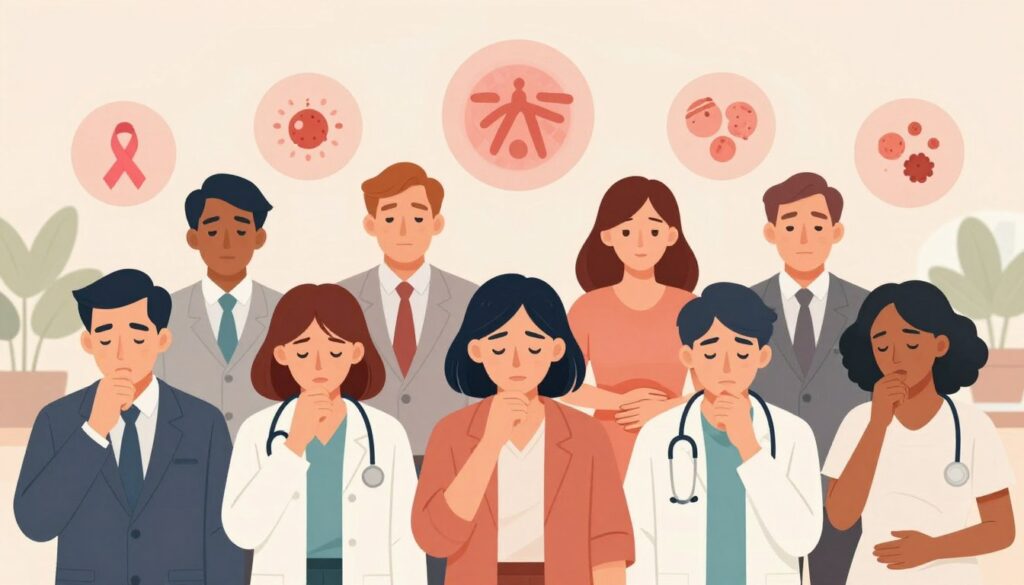
Cancer is a leading cause of death worldwide, according to the American Cancer Society.
Understanding the symptoms, causes, and treatment options is crucial for early detection and effective management.
This article aims to provide a comprehensive overview of cancer, helping readers grasp the complexities of the disease.
By exploring the various aspects of cancer, we hope to empower individuals with the knowledge they need to navigate their health.
Key Takeaways
- Understanding cancer symptoms is vital for early detection.
- The causes of cancer are multifaceted and complex.
- Various treatment options are available, depending on the type and stage.
- Early diagnosis significantly improves treatment outcomes.
- A comprehensive approach is necessary for effective cancer management.
What is Cancer?
Understanding cancer begins with grasping its fundamental biology. Cancer is a disease characterized by the uncontrolled growth and spread of abnormal cells. These cells disregard normal cellular rules, leading to tumors that can invade surrounding tissues and spread to other parts of the body.
The Biology of Cancer
Cancer develops through a complex interplay of genetic and environmental factors. At the heart of cancer biology is the process of cell division.
Cell Division and Cancer
Normal cells grow, divide, and die in an orderly process. However, when this process goes awry due to genetic mutations, cells can become cancerous. Uncontrolled cell division is a hallmark of cancer.
Tumor Formation
Tumors form when abnormal cells accumulate. These can be benign (non-cancerous) or malignant (cancerous). Malignant tumors invade surrounding tissues and can metastasize.
How Cancer Spreads
Cancer spreads through a process known as metastasis, where cancer cells break away from the original tumor, travel through the bloodstream or lymphatic system, and form new tumors in other parts of the body.
Metastasis Process
The metastasis process involves several steps, including invasion, circulation, and colonization. Understanding metastasis is crucial for developing effective cancer treatments.
| Process | Description |
|---|---|
| Cell Division | Uncontrolled growth of abnormal cells |
| Tumor Formation | Accumulation of abnormal cells into benign or malignant tumors |
| Metastasis | Spread of cancer cells to other parts of the body |
Types of Cancer
Understanding the different types of cancer is crucial for effective diagnosis and treatment. Cancer can be broadly categorized based on the type of cell or tissue it affects.
Carcinomas
Carcinomas are the most common type of cancer, originating from epithelial cells. These cancers can occur in various parts of the body.
Breast Cancer
Breast cancer begins in the breast tissue and is more common in women, although men can also be affected. Early detection through mammograms has significantly improved treatment outcomes.
Lung Cancer
Lung cancer starts in the lungs and is often associated with smoking. There are two main types: non-small cell lung cancer and small cell lung cancer.
Colorectal Cancer
Colorectal cancer affects the colon or rectum and usually begins as a polyp. Screening tests can detect these polyps before they become malignant.
Sarcomas
Sarcomas are rare cancers that develop in the connective tissues of the body, such as bones, muscles, and fat.
Leukemias and Lymphomas
Leukemia is a cancer of the blood cells, while lymphoma affects the immune system. Both types can be acute or chronic.
Brain and Spinal Cord Tumors
These tumors can be benign or malignant and affect the brain or spinal cord. Treatment varies based on the tumor type and location.
In conclusion, the diverse types of cancer require a comprehensive understanding for appropriate management. Recognizing the specific characteristics of each cancer type is essential for developing effective treatment plans.
Common Symptoms of Cancer
Recognizing the common symptoms of cancer is crucial for early detection and effective treatment. While the specific symptoms can vary depending on the type of cancer, there are several general warning signs that individuals should be aware of.
General Warning Signs
Cancer can manifest through various general warning signs. Two of the most significant indicators are unexplained weight loss and persistent fatigue.
Unexplained Weight Loss
Losing weight without trying can be a symptom of cancer, particularly if it involves losing a significant amount of weight over a short period. Unexplained weight loss is often associated with cancers of the pancreas, stomach, esophagus, or lung.
Persistent Fatigue
Feeling extremely tired or weak, even after resting, can be a sign of cancer. Persistent fatigue is a common symptom across various cancer types, including leukemia and lymphoma.
Specific Symptoms by Cancer Type
Different types of cancer present with unique symptoms. For example, breast cancer may cause a lump or thickening in the breast, while lung cancer can lead to a persistent cough or difficulty breathing.
| Cancer Type | Common Symptoms |
|---|---|
| Breast Cancer | Lump or thickening in the breast, nipple discharge |
| Lung Cancer | Persistent cough, difficulty breathing, chest pain |
| Colorectal Cancer | Blood in stool, changes in bowel habits, abdominal pain |
When to See a Doctor
If you experience any of the general warning signs or specific symptoms associated with different cancer types, it’s essential to consult a healthcare professional. Early detection can significantly improve treatment outcomes.
Understanding Cancer Causes
The etiology of cancer involves an intricate interplay of genetic, environmental, and lifestyle factors. Understanding these causes is essential for developing effective prevention and treatment strategies.
Genetic Factors
Genetic mutations play a significant role in cancer development. These mutations can be inherited or acquired.
Inherited Mutations
Inherited mutations are passed down from parents to offspring and can significantly increase the risk of certain cancers. For example, mutations in the BRCA1 and BRCA2 genes are associated with a higher risk of breast and ovarian cancers.
Acquired Mutations
Acquired mutations occur during a person’s lifetime due to various factors such as exposure to carcinogens, errors during DNA replication, or viral infections. These mutations can lead to cancer by disrupting normal cell growth and division.
Environmental Causes
Exposure to certain environmental factors can cause cancer. These include:
- Ionizing radiation from sources like X-rays and UV radiation
- Carcinogenic chemicals in tobacco smoke, asbestos, and certain industrial chemicals
- Infections from viruses and bacteria, such as human papillomavirus (HPV) and Helicobacter pylori
Lifestyle Factors
Lifestyle choices also play a crucial role in cancer risk. Key factors include:
| Lifestyle Factor | Cancer Risk |
|---|---|
| Diet | A diet high in processed foods and low in fruits and vegetables |
| Physical Activity | Lack of regular exercise |
| Smoking | Tobacco use is a major risk factor for several cancers |
| Alcohol Consumption | Excessive alcohol consumption |
By understanding these factors, individuals can make informed choices to reduce their cancer risk.
Risk Factors for Developing Cancer
The likelihood of developing cancer is influenced by a combination of genetic, environmental, and lifestyle factors. Understanding these risk factors can help individuals take steps to reduce their risk.
Age and Family History
Age is a significant risk factor for cancer, with most cases diagnosed in people over 65. Family history also plays a crucial role, as certain genetic mutations can be inherited. For instance, BRCA1 and BRCA2 mutations significantly increase the risk of breast and ovarian cancers.
Modifiable Risk Factors
While some risk factors cannot be changed, others can be modified through lifestyle choices. These include:
Tobacco Use
Tobacco use is the leading cause of preventable cancer deaths worldwide. Quitting tobacco can significantly reduce the risk of developing lung, mouth, throat, and other cancers.
Diet and Exercise
A healthy diet rich in fruits, vegetables, and whole grains, combined with regular physical activity, can help reduce cancer risk. Maintaining a healthy weight is also crucial, as obesity is linked to several types of cancer.
Sun Exposure
Prolonged exposure to UV radiation from the sun or tanning beds increases the risk of skin cancer. Protective measures include using sunscreen, wearing protective clothing, and seeking shade.
Occupational Risks
Certain occupations expose workers to carcinogens, increasing their cancer risk. For example, asbestos exposure is linked to mesothelioma, and certain chemicals in the workplace can cause other types of cancer.
| Risk Factor | Cancer Type | Prevention Strategy |
|---|---|---|
| Tobacco Use | Lung, Mouth, Throat | Quit Tobacco |
| Poor Diet/Obesity | Breast, Colon, Kidney | Healthy Diet, Exercise |
| Sun Exposure | Skin Cancer | Sunscreen, Protective Clothing |
By understanding and addressing modifiable risk factors, individuals can significantly reduce their likelihood of developing cancer.
Cancer Diagnosis Methods
The diagnosis of cancer encompasses several approaches, from initial physical examinations to advanced imaging tests. Accurate diagnosis is crucial for determining the best treatment plan.
Physical Examinations
A physical examination is often the first step in diagnosing cancer. During this exam, a healthcare provider checks for any abnormalities, such as lumps or unusual changes in organs. The doctor will also ask about medical history and any symptoms.
Imaging Tests
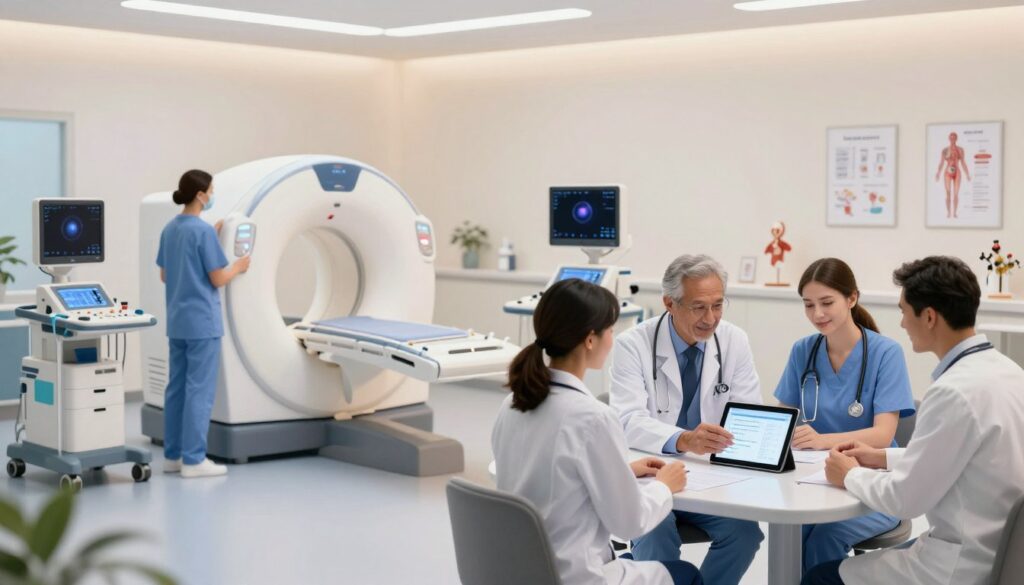
Imaging tests are critical for diagnosing cancer and understanding its extent. These tests provide detailed images of the inside of the body.
X-rays and CT Scans
X-rays are a basic imaging test used to look at bones and some organs. CT scans, or computed tomography scans, use X-rays to create detailed cross-sectional images of the body, helping to identify tumors and their size.
MRI and PET Scans
MRI, or magnetic resonance imaging, uses powerful magnets and radio waves to create detailed images of the body’s internal structures. PET scans, or positron emission tomography scans, involve injecting a small amount of radioactive sugar into the body to highlight areas where cancer cells may be present.
Biopsies and Laboratory Tests
A biopsy involves removing a small sample of tissue from the body for examination under a microscope. Laboratory tests, including blood tests, can help identify cancer cells or substances that may indicate cancer.
Staging Cancer
Once cancer is diagnosed, staging is used to determine how far it has spread. Staging involves evaluating the size of the tumor, whether lymph nodes are involved, and whether the cancer has metastasized to other parts of the body.
| Stage | Description |
|---|---|
| Stage I | Cancer is localized to a small area. |
| Stage II | Cancer is larger but still contained. |
| Stage III | Cancer has spread to nearby tissues or lymph nodes. |
| Stage IV | Cancer has metastasized to distant parts of the body. |
Cancer Treatment Options
Understanding the different cancer treatment options is crucial for patients and their families. The choice of treatment depends on the type of cancer, its stage, and the patient’s overall health.
Surgery
Surgery is a common treatment for many types of cancer. It involves removing the tumor and some surrounding tissue.
Types of Cancer Surgery
There are several types of surgery, including:
- Preventive surgery to remove tissue that is likely to become cancerous.
- Diagnostic surgery to diagnose cancer.
- Staging surgery to determine the extent of cancer.
- Curative surgery to remove the cancer.
- Palliative surgery to relieve symptoms.
Recovery Expectations
Recovery from surgery varies depending on the extent of the operation and the patient’s health. Most patients require rest and may need pain management.
Radiation Therapy
Radiation therapy uses high-energy particles or waves to destroy cancer cells. It can be used alone or in combination with other treatments.
Chemotherapy
Chemotherapy involves using drugs to kill cancer cells. It is often used when cancer has spread.
Immunotherapy
Immunotherapy boosts the body’s immune system to fight cancer. It can help the immune system recognize and attack cancer cells.
Targeted Therapy
Targeted therapy uses drugs that target specific cancer cells, reducing harm to normal cells.
Hormone Therapy
Hormone therapy is used to treat cancers that are sensitive to hormones, such as certain breast and prostate cancers.
The following table summarizes the main cancer treatment options:
| Treatment | Description | Used For |
|---|---|---|
| Surgery | Removing the tumor and surrounding tissue | Many types of cancer |
| Radiation Therapy | Using high-energy particles to destroy cancer cells | Localized tumors |
| Chemotherapy | Using drugs to kill cancer cells | Cancer that has spread |
| Immunotherapy | Boosting the immune system to fight cancer | Various types of cancer |
| Targeted Therapy | Targeting specific cancer cells | Cancers with specific genetic changes |
| Hormone Therapy | Treating hormone-sensitive cancers | Certain breast and prostate cancers |
Each patient’s treatment plan is unique and may involve a combination of these treatments. Understanding the options and their potential benefits and risks is essential for making informed decisions.
The Impact of Cancer on the Body
Cancer affects the body in numerous ways, causing a range of physical and psychological effects that can significantly alter a patient’s quality of life. The diagnosis of cancer and its subsequent treatment can have far-reaching consequences on both the body and mind.
Physical Effects
The physical effects of cancer can be categorized into short-term and long-term impacts.
Short-term Effects
Short-term effects include immediate reactions to cancer treatment such as fatigue, nausea, and hair loss. These effects are often a result of chemotherapy, radiation therapy, or surgery.
Long-term Effects
Long-term effects may persist or appear years after treatment has ended. These can include chronic pain, lymphedema, and increased risk of secondary cancers. Understanding these potential long-term effects is crucial for managing patient care.
| Effect | Description | Management Strategy |
|---|---|---|
| Fatigue | Persistent feeling of tiredness | Rest, exercise, nutrition counseling |
| Chronic Pain | Ongoing pain after treatment | Pain management medications, physical therapy |
| Lymphedema | Swelling due to lymph node removal | Compression garments, physical therapy |
Psychological Effects
Cancer diagnosis and treatment can have significant psychological impacts, including anxiety, depression, and fear of recurrence. These effects can be as debilitating as the physical symptoms and require comprehensive support.
Quality of Life Considerations
Maintaining quality of life is a critical aspect of cancer care. This involves not only managing physical and psychological effects but also addressing social and practical needs. Support from family, friends, and healthcare providers plays a vital role in helping patients navigate their cancer journey.
By understanding the holistic impact of cancer on the body, healthcare providers can offer more comprehensive and supportive care, improving the overall quality of life for cancer patients.
Cancer Prevention Strategies
Understanding and implementing cancer prevention strategies can be a crucial step in reducing cancer risk. By adopting a combination of healthy lifestyle habits and staying informed about medical advancements, individuals can significantly lower their chances of developing cancer.
Lifestyle Modifications
Making certain lifestyle changes can play a significant role in cancer prevention. This includes dietary adjustments and increased physical activity.
Nutrition Guidelines
A diet rich in fruits, vegetables, and whole grains can help reduce cancer risk. Limiting processed foods and red meat is also recommended. The American Cancer Society suggests maintaining a healthy weight through a balanced diet.
Physical Activity Recommendations
Engaging in regular physical activity not only helps maintain a healthy weight but also reduces cancer risk. Aim for at least 150 minutes of moderate-intensity exercise per week.
Screening and Early Detection
Screening tests are crucial for detecting cancer at an early stage when it is more treatable. Understanding the recommended screening tests by age is vital.
Recommended Screening Tests by Age
The American Cancer Society provides guidelines for various cancer screening tests, including mammograms for breast cancer and colonoscopies for colorectal cancer, based on age and risk factors.
Vaccines and Preventive Medications
Certain vaccines, such as the HPV vaccine, and preventive medications can help reduce the risk of specific cancers. Consulting with a healthcare provider to determine the best approach is essential.

Living with Cancer
Living with cancer requires a multifaceted approach that includes managing symptoms, coping with emotional impact, and making practical adjustments. Cancer diagnosis is a life-changing event that affects not just the patient but also their family and loved ones.
Managing Side Effects
Managing the side effects of cancer treatment is crucial for maintaining the patient’s quality of life. This includes pain management and ensuring proper nutrition during treatment.
Pain Management
Effective pain management involves a combination of medication, alternative therapies, and lifestyle changes. It’s essential to work closely with healthcare providers to develop a personalized pain management plan.
Nutrition During Treatment
A well-balanced diet is vital during cancer treatment. Patients should focus on consuming nutrient-rich foods, staying hydrated, and avoiding foods that can exacerbate treatment side effects.
Emotional and Psychological Impact
Cancer diagnosis can have a significant emotional and psychological impact on patients. It’s not uncommon for patients to experience anxiety, depression, or fear about the future. Seeking support from mental health professionals, support groups, and loved ones can be incredibly beneficial.
Practical Considerations
Living with cancer also involves making several practical adjustments, including financial planning and managing work and daily activities.
Financial Planning
Cancer treatment can be costly, making financial planning a critical aspect of cancer care. Patients should explore available financial resources, including insurance coverage, assistance programs, and non-profit organizations.
Work and Daily Activities
Many patients continue to work during treatment, though they may need to adjust their work schedule or duties. Communicating with employers and exploring flexible work arrangements can help.
The National Coalition for Cancer Survivorship provides valuable resources for cancer survivors, including guidance on managing treatment side effects, coping with the emotional impact, and navigating practical considerations.
Support Systems for Cancer Patients
Support systems play a vital role in the overall well-being of cancer patients. A comprehensive support network can significantly impact their ability to cope with the diagnosis and treatment.
Medical Support Teams
Cancer patients benefit from a multidisciplinary medical team that includes oncologists, nurses, and other healthcare professionals. These teams provide medical care, guidance, and support throughout the treatment process.
Family and Community Support
Family and friends are crucial in providing emotional support. Additionally, community resources can offer practical assistance, such as transportation to treatment centers and help with daily chores.
Support Groups and Resources
Support groups, either in-person or online, provide a platform for cancer patients to share their experiences and connect with others going through similar challenges.
Online Communities
Online forums and social media groups have become increasingly important, offering a space for patients to ask questions, share information, and find support.
National Organizations
Organizations such as Cancer.net offer a wealth of resources, including information on treatment options, coping strategies, and financial assistance programs.
A strong support system is essential for cancer patients, enhancing their quality of life and helping them navigate the complexities of their care.
Conclusion
Understanding cancer is crucial for early detection and effective treatment. This article has provided a comprehensive overview of cancer, including its symptoms, causes, diagnosis, and treatment options.
The Cancer Research Institute emphasizes the importance of cancer awareness and research. By being informed and proactive, individuals can reduce their risk of developing cancer and improve treatment outcomes.
Cancer support is also vital for patients, families, and caregivers. Support groups, resources, and medical teams play a critical role in providing emotional and practical support during challenging times.
By promoting cancer awareness and supporting research efforts, we can work together to reduce the impact of cancer on individuals and communities. Take action today by learning more about cancer prevention, screening, and treatment options.